
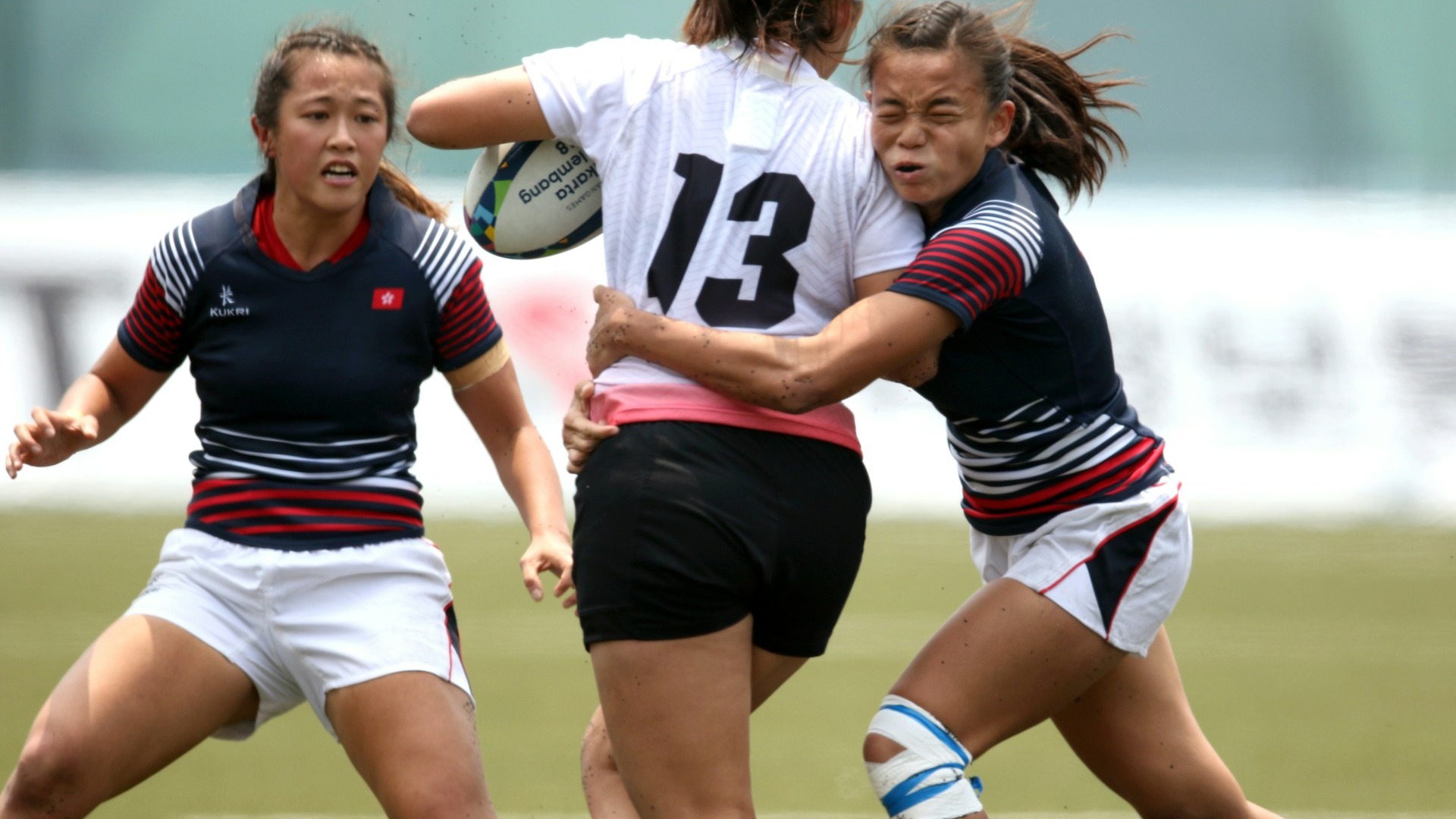
The Evolution of Attacking Rugby
Modern professional rugby has moved far beyond simple running and passing. Today’s attacking systems are highly structured, data-informed, and designed to break organized defensive lines through repetition, timing, and space creation.
Teams no longer rely on individual brilliance alone. Instead, they build multi-phase attacking plans that combine forward power, backline creativity, and tactical kicking to control territory and create scoring opportunities.
Phase-Based Attacking Systems
One of the most common approaches in modern rugby is phase-based attacking play. Teams maintain possession through multiple phases, using short passes and forward carries to gradually move upfield.
The goal is not always immediate penetration but rather to create defensive fatigue and structural gaps. As defenders are forced to reset repeatedly, space eventually opens for decisive attacking moves.
Structured Forward Play
Forwards play a central role in building attacking momentum. They carry the ball into contact situations, secure possession at rucks, and set a stable platform for attacking phases.
Strong forward play helps teams dominate physical contests and control the tempo of the match. This creates opportunities for backs to exploit space in wider areas.
Backline Movement and Creative Attack
Backline players are responsible for turning forward dominance into scoring opportunities. Their movement patterns often involve set plays, angled running lines, and quick passing sequences designed to stretch defensive formations.
Timing and coordination are critical. Even small delays or miscommunication can break attacking momentum and allow the defense to recover.
Wide Attacks and Space Utilization
Modern rugby places strong emphasis on using the full width of the field. Teams frequently shift the ball quickly to the wings to stretch defensive lines horizontally.
This creates mismatches and opens gaps near the edges of the defensive structure. Wingers and fullbacks play a key role in finishing these attacking movements.
Tactical Kicking in Attack
Kicking is not only a defensive or territorial tool but also an important attacking weapon. Teams use strategic kicks such as grubbers, chips, and cross-field kicks to exploit space behind the defensive line.
Well-executed kicks can force turnovers, create scoring opportunities, or apply pressure in the opposition’s defensive zone.
Set-Piece Attack Strategies
Scrums and lineouts are key attacking platforms in rugby. Teams design specific plays from these situations to launch structured attacks.
Lineout variations and scrum-based moves allow teams to create pre-planned attacking patterns that target weaknesses in the opposition’s defense.
Breaking Defensive Lines
Breaking through elite defensive systems requires a combination of speed, timing, and unpredictability. Offloading in contact, dummy runs, and sudden changes in direction are commonly used to disrupt defensive alignment.
Successful teams often mix structured plays with spontaneous attacking decisions to keep defenses uncertain.
Balance Between Power and Speed
Modern attacking rugby requires a balance between physical power and fast ball movement. Some teams rely heavily on forward dominance, while others prioritize speed and agility in open play.
The most successful teams combine both approaches, adapting their attacking style based on match conditions and opposition strategy.
The Future of Attacking Rugby
As analytics and performance tracking continue to evolve, attacking strategies are becoming more precise and adaptable. Teams now study defensive patterns in detail to design targeted attacking sequences.
This evolution is making rugby faster, smarter, and more dynamic, with attacking play becoming one of the most important aspects of modern professional rugby.