
From Recreational Game to Global Sport
Badminton has undergone a remarkable transformation over the past century. What began as a recreational activity has evolved into a highly competitive professional sport played and followed by millions of people around the world. Today, international badminton features elite athletes, advanced training methods, major tournaments, and a growing global fan base.
The sport's evolution has been driven by improvements in coaching, equipment, sports science, and international competition.
Early Development of Competitive Badminton
Competitive badminton began to take shape in the late 19th and early 20th centuries as standardized rules were introduced and national associations were formed. Organized tournaments helped establish the sport's competitive structure and encouraged greater participation across different countries.
As badminton spread internationally, more players and clubs embraced the game, laying the foundation for future professional competitions.
Expansion of International Competition
The introduction of major international tournaments marked a significant step in badminton's growth. Events featuring the world's top players increased the sport's popularity and raised the standard of competition.
The inclusion of badminton in the Olympic Games further strengthened its global profile, attracting new audiences and inspiring athletes from more nations to pursue professional careers.
Advances in Equipment Technology
Badminton equipment has changed dramatically over the decades. Wooden rackets have been replaced by lightweight materials such as carbon fiber and graphite, allowing players to generate greater power while maintaining excellent control.
Modern strings, improved shuttlecock manufacturing, and high-performance footwear have also enhanced speed, accuracy, and player comfort during competition.
Changes in Playing Style
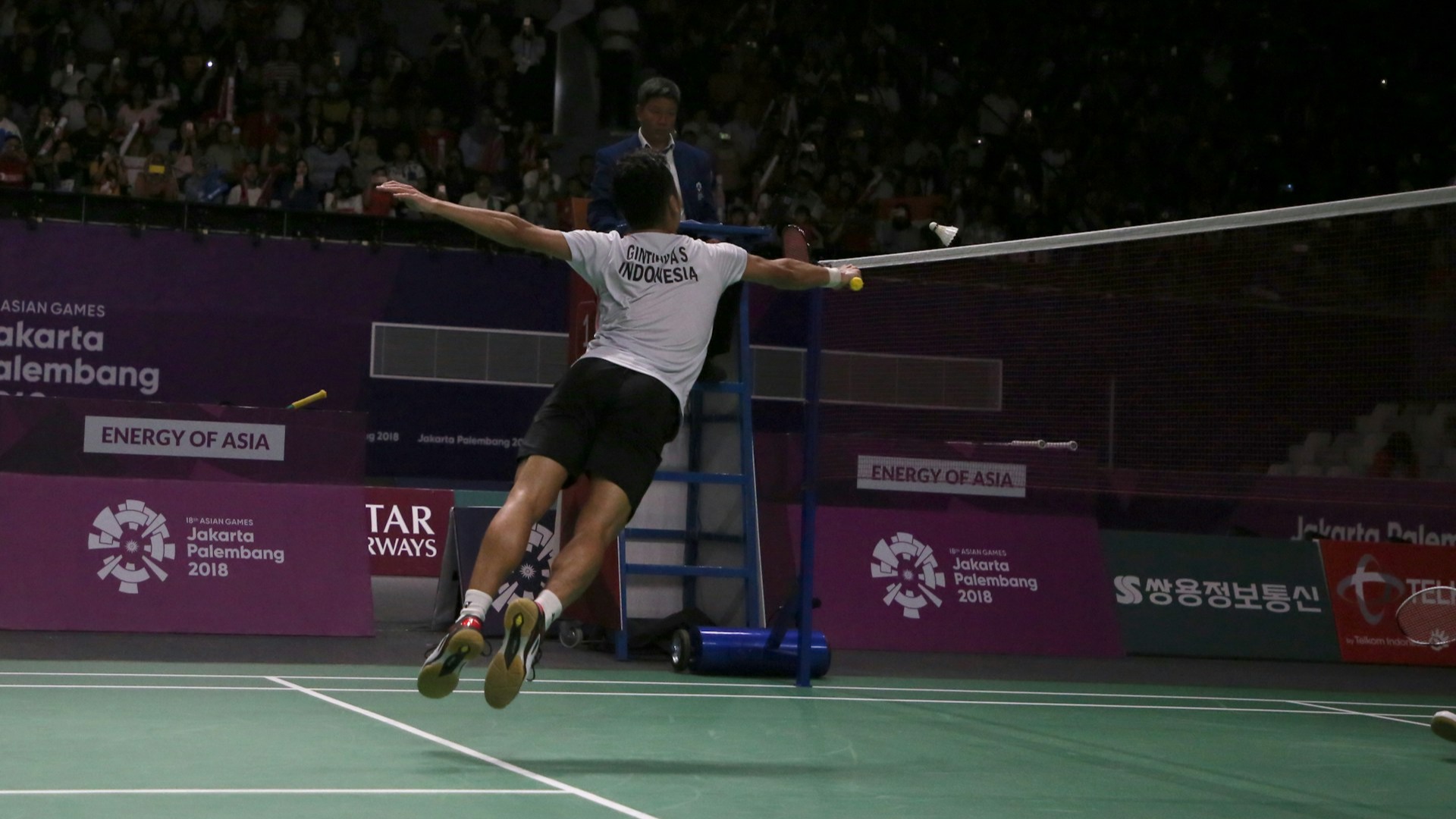
Professional badminton has become significantly faster and more aggressive than in previous decades. Earlier generations often relied on longer rallies and controlled shot placement, while today's players combine explosive smashes, rapid court movement, and quick attacking transitions.
The increased pace of the game has placed greater emphasis on athleticism, reaction time, and tactical decision-making.
Growth of Sports Science
Modern sports science has transformed the way professional badminton players prepare for competition. Strength and conditioning programs, nutrition planning, recovery techniques, and performance analysis are now essential parts of elite training.
Video analysis and data-driven coaching also help players identify weaknesses, improve shot selection, and develop match strategies against different opponents.
Professional Tournament Structure
The professional badminton calendar has become more organized through international tours and ranking events. Athletes now compete regularly in prestigious tournaments that contribute to world rankings and qualification for major championships.
This structured competition system has increased the consistency and professionalism of the sport while providing players with more opportunities to compete internationally.
Global Growth of the Sport
Badminton has expanded well beyond its traditional strongholds, with more countries investing in coaching, training facilities, and athlete development. International competitions now feature a broader range of competitive nations, making tournaments more balanced and unpredictable.
Growing television coverage and digital streaming have also introduced the sport to millions of new fans worldwide.
The Future of Professional Badminton
Professional badminton continues to evolve through innovation in technology, coaching, and athlete development. Faster gameplay, improved equipment, and advanced performance analysis are raising the standard of competition every year.
As global participation and commercial investment continue to increase, badminton is expected to strengthen its position as one of the world's leading professional sports, attracting new generations of athletes and fans across every continent.