
The Importance of Kicking in Modern Rugby
Kicking is one of the most strategic elements in professional rugby. It is not only used to gain territory but also to create attacking opportunities, apply pressure, and control the pace of the game. Modern teams use kicking as a structured tactical tool rather than just a defensive clearance option.
At the elite level, the decision to kick is carefully planned based on field position, defensive alignment, weather conditions, and match situation.
Tactical Kicking for Territory
One of the primary uses of kicking is to gain territory. Teams often kick the ball deep into the opposition half to force a lineout or apply pressure in defensive zones.
This strategy helps relieve pressure when under attack and allows teams to reset their defensive structure while pushing opponents backward on the field.
Box Kicks and Scrum-Half Control
The box kick is a common tactical weapon used by scrum-halves. It involves a high, short kick from behind the ruck aimed at contestable space.
The goal is to give chasing players a chance to compete for the ball in the air. When executed well, it can turn defensive situations into attacking opportunities.
Tactical Grubber and Chip Kicks
Grubber and chip kicks are used to exploit space behind defensive lines. A grubber kick stays low and rolls along the ground, while a chip kick lifts the ball over defenders into open space.
These kicks are often used near the opposition’s try line or when defensive lines are compressed, creating chances for quick scoring opportunities.
Cross-Field Kicking Attacks
Cross-field kicks are designed to stretch the defensive line horizontally. By switching the ball quickly from one side of the field to the other, teams can isolate wingers in one-on-one situations.
This type of kicking requires precision timing and accurate execution, as mistimed kicks can result in turnovers.
High-Pressure Contestable Kicks
Contestable kicks are designed to create aerial battles where both attacking and defending players compete for possession. These kicks are often used in midfield areas to regain control of the ball.
Success depends on accurate placement, strong chasing support, and timing in the air contest.
Defensive Kicking Under Pressure
When under pressure, teams often use clearing kicks to exit their defensive zone. These kicks are aimed toward touchlines to reduce risk and reset field position.
Effective defensive kicking requires calm decision-making and accurate execution to avoid giving the opposition attacking opportunities.
Role of Kickers in Modern Rugby
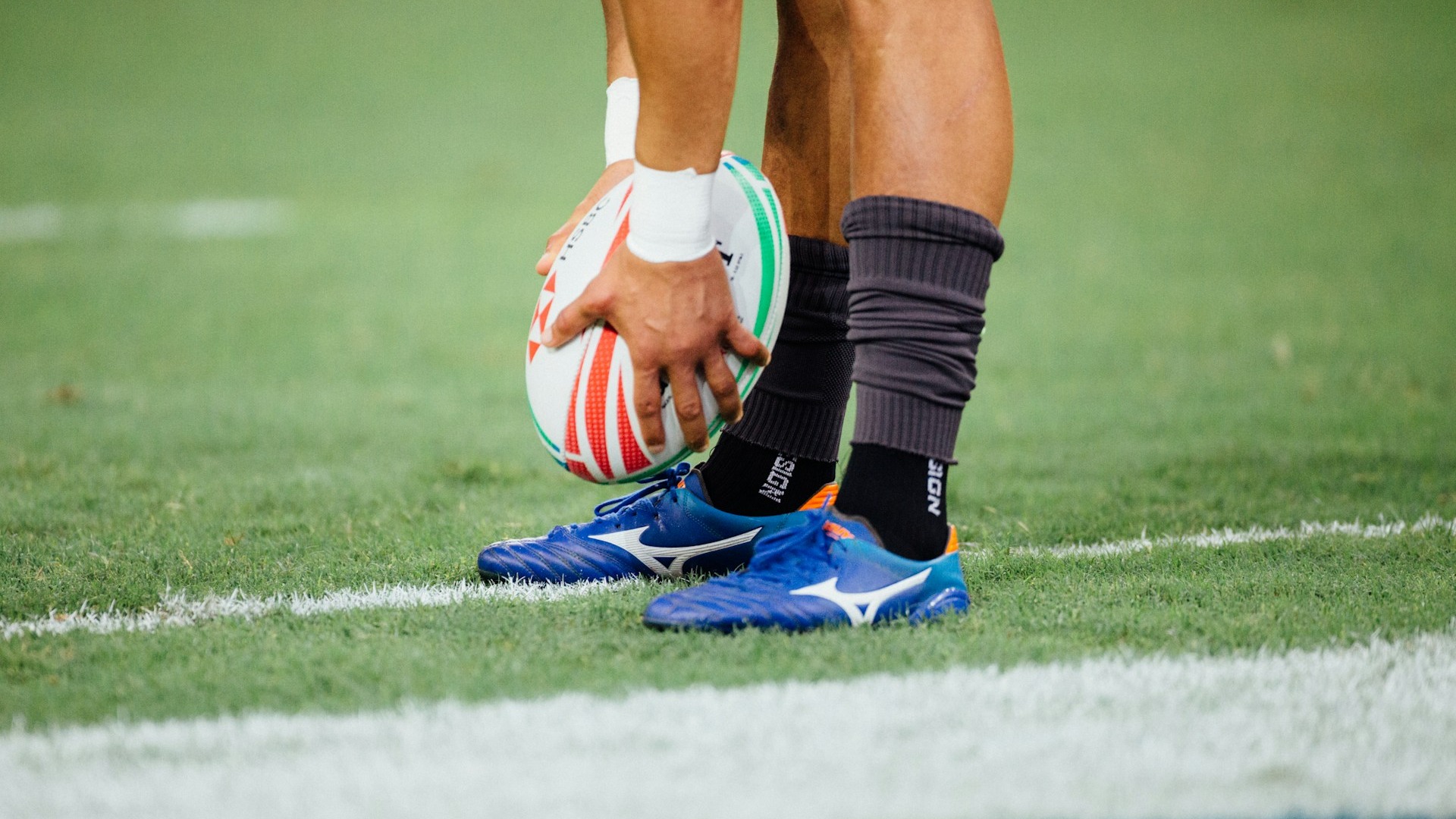
Specialist kickers play a crucial role in professional rugby. They are responsible for conversions, penalty goals, and tactical kicking during open play.
Their accuracy and decision-making can significantly influence match outcomes, especially in closely contested games.
Kicking and Game Management
Kicking is closely linked to overall game management. Teams use it to control tempo, shift pressure, and dictate where the game is played.
Smart kicking decisions can conserve energy, create scoring chances, and influence territorial dominance throughout the match.
The Future of Kicking Strategy
As rugby becomes more data-driven, kicking strategies are becoming increasingly precise. Teams analyze opponent positioning, aerial statistics, and defensive patterns to optimize kicking decisions.
This evolution has turned kicking into one of the most important tactical components of modern professional rugby.