
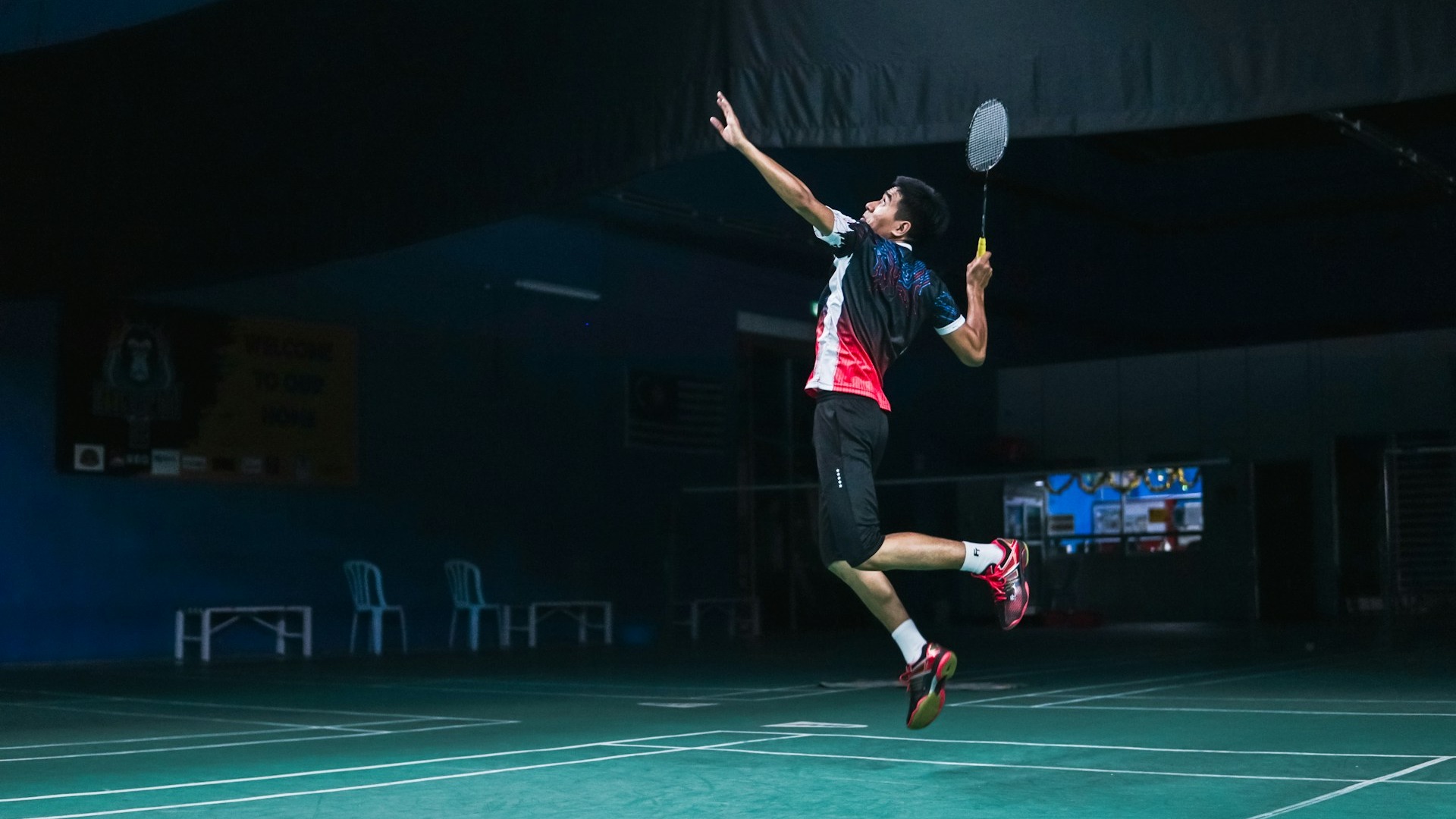
The Evolution of a High-Speed Sport
Badminton has transformed from a recreational pastime into one of the fastest and most physically demanding sports in the world. Professional players combine explosive speed, lightning-fast reflexes, exceptional footwork, and tactical intelligence to compete at the highest level.
Today, international badminton features rallies played at incredible pace, making every point a test of athleticism, precision, and endurance.
The Speed of the Shuttlecock
One of the main reasons badminton is considered one of the world's fastest sports is the remarkable speed of the shuttlecock. During powerful smashes, the shuttle can travel at extremely high speeds, giving opponents only fractions of a second to react.
Unlike a ball used in many other sports, the shuttlecock slows rapidly because of air resistance. This unique flight pattern creates fast exchanges while demanding precise timing and quick adjustments from players.
Evolution of Playing Techniques
Modern badminton has evolved significantly over the past few decades. Professional players now use advanced techniques that generate greater power, faster racket speed, and more accurate shot placement.
Improved coaching methods have helped athletes master attacking smashes, deceptive drop shots, quick net play, and defensive recoveries, making matches faster and more competitive than ever before.
Faster Footwork and Court Movement
Elite badminton players are known for their exceptional movement around the court. Efficient footwork allows them to reach every corner quickly while maintaining balance for the next shot.
Training focuses on explosive acceleration, rapid direction changes, and smooth recovery between movements. This speed of movement enables players to sustain long, high-intensity rallies without losing control.
Advances in Equipment
Modern badminton equipment has played an important role in increasing the speed of the game. Lightweight rackets made from advanced materials allow players to generate more racket-head speed while maintaining excellent control.
Improved shuttlecock manufacturing and string technology have also contributed to faster and more consistent performance during professional matches.
Physical Fitness at the Highest Level
Professional badminton demands a unique combination of speed, endurance, agility, and strength. Players follow year-round fitness programs that include sprint training, plyometric exercises, strength workouts, flexibility routines, and cardiovascular conditioning.
This complete physical preparation allows athletes to maintain explosive performance throughout long tournaments and intense matches.
Tactical Speed and Decision-Making
Fast movement alone is not enough to succeed in modern badminton. Players must make split-second decisions while reading their opponent's positioning and anticipating the next shot.
Elite athletes combine physical speed with tactical awareness, allowing them to react quickly and execute the most effective shot under pressure.
Global Growth of Competitive Badminton
International badminton has expanded rapidly through professional tournaments, improved broadcasting, and digital media coverage. Major competitions attract millions of viewers, showcasing the sport's speed and excitement to a global audience.
As more countries invest in coaching, training facilities, and player development, the overall standard of competition continues to rise.
The Future of High-Speed Badminton
Badminton continues to evolve through advances in sports science, coaching techniques, and performance analysis. Players are becoming faster, stronger, and more technically skilled with every generation.
As technology and training methods continue to improve, badminton is expected to remain one of the world's fastest and most exciting sports, captivating fans with its remarkable speed, athleticism, and competitive intensity.