
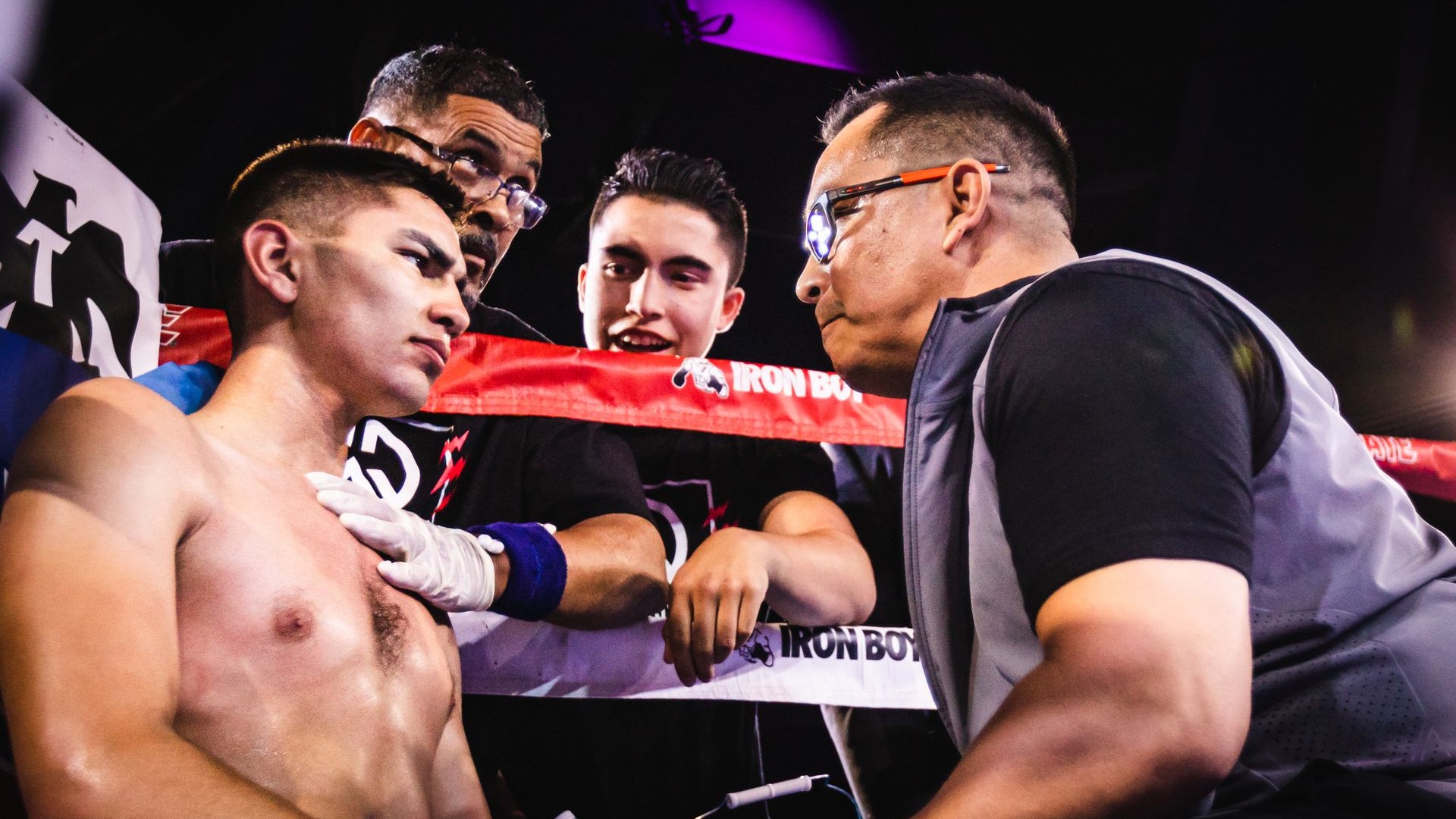
The Corner as the Fighter’s Support System
In boxing, the corner is one of the most important parts of a fighter’s performance. Located ringside, the corner team—typically consisting of a head trainer, assistant coaches, and a cutman—provides tactical guidance, physical care, and mental support between rounds.
While the fighter rests for just one minute, the corner becomes a critical decision-making hub that can influence the direction of the entire fight.
Tactical Instructions Between Rounds
During the short break between rounds, the head trainer delivers clear and direct instructions based on what has happened in the ring. These instructions often include adjustments in strategy, defensive positioning, punch selection, and movement patterns.
Coaches quickly analyze the opponent’s behavior, identifying weaknesses or changes in rhythm. They communicate these observations in simple, actionable advice that the fighter can immediately apply in the next round.
Physical Recovery and Rapid Rehydration
Between rounds, the corner also focuses on physical recovery. Fighters are given water or electrolyte solutions to restore hydration and maintain energy levels. The cutman plays a key role in managing swelling, cuts, and bruising using medical tools such as ice, swabs, and protective ointments.
These rapid interventions help ensure the fighter can continue safely and effectively, especially in longer bouts where damage accumulates over time.
Psychological Support and Motivation
Mental strength is just as important as physical recovery during a fight. Trainers use the corner time to reinforce confidence, calm nerves, and reset the fighter’s mindset after a difficult round.
Encouragement, reassurance, and motivational communication help fighters maintain focus and avoid emotional fatigue. Even in high-pressure situations, a calm and controlled corner can significantly impact performance.
Reading the Fight in Real Time
One of the most valuable roles of the corner is reading the fight as it unfolds. Trainers observe patterns such as timing gaps, defensive weaknesses, and fatigue in the opponent.
This real-time analysis allows them to adjust tactics round by round. A fighter may be advised to increase pressure, switch stance, or target specific areas depending on the evolving dynamics of the bout.
The Cutman’s Critical Responsibility
The cutman is responsible for treating injuries sustained during the fight. Cuts near the eyes, swelling on the face, and bruising are managed quickly to prevent stoppage by the referee or ringside doctor.
Their work is highly specialized and can determine whether a fighter is able to continue competing safely and effectively.
The Corner’s Impact on Fight Outcomes
Although fighters are the ones in the ring, the corner plays a decisive role in shaping performance. Effective communication, accurate tactical adjustments, and strong emotional support can turn the tide of a closely contested bout.
In many cases, the difference between victory and defeat is not only decided by the punches thrown, but also by the guidance delivered between rounds.