
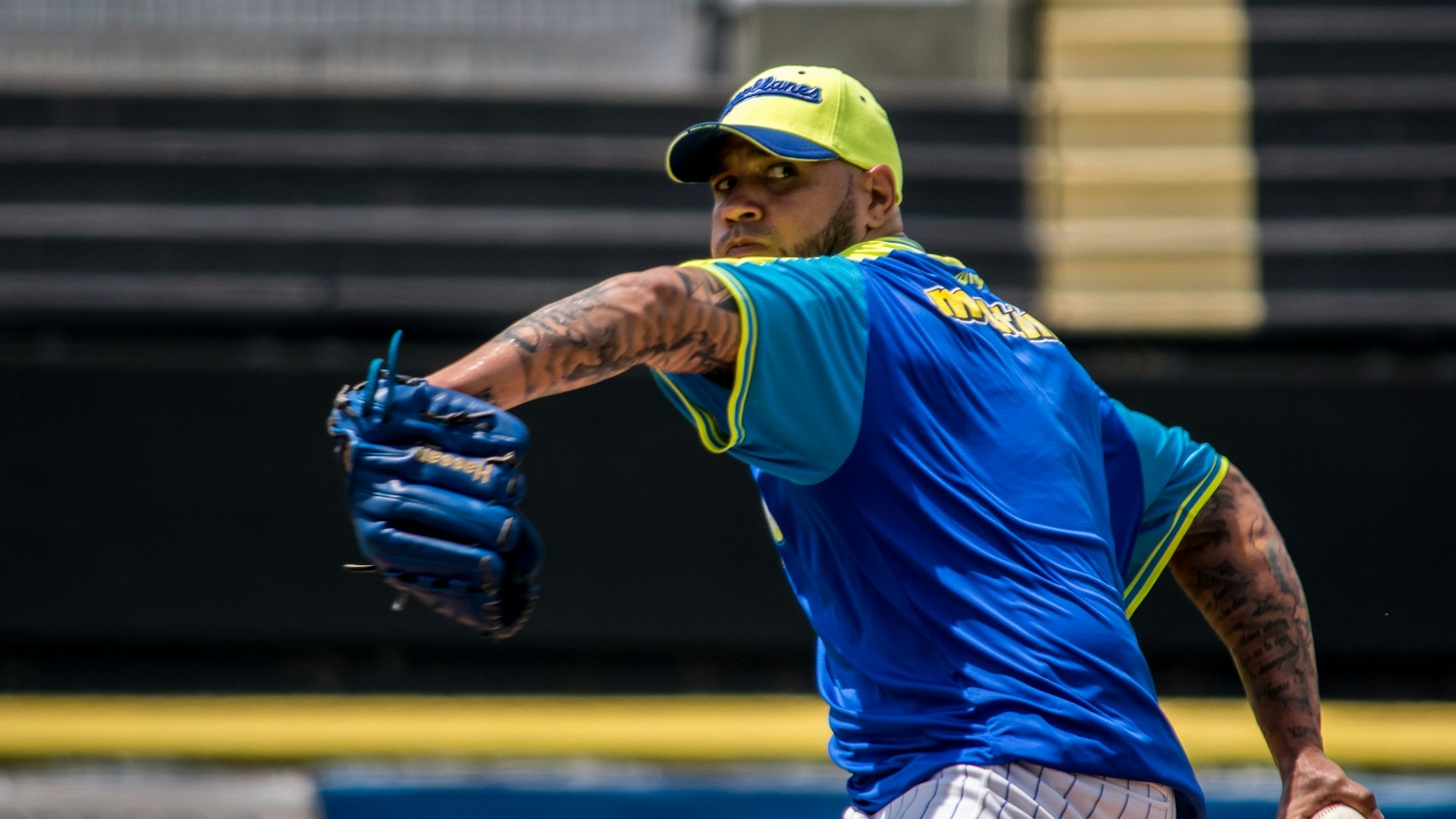
Major League Baseball (MLB) is moving deeper into a highly competitive season as teams across both the American League and National League begin shaping their identities for a long playoff push. With a 162-game schedule, consistency, depth, and injury management are proving just as important as star performances in determining which teams will succeed.
As standings begin to take shape, several franchises are already separating themselves as early contenders, while others are searching for stability and rhythm.
Pitching Depth Becomes the Defining Factor
Pitching continues to be the most critical element of success in modern baseball. Teams with strong starting rotations and reliable bullpens are consistently outperforming expectations, especially during long road trips and tightly packed schedules.
Managers are increasingly relying on pitch counts, bullpen rotations, and matchup-based decisions to manage fatigue and reduce injury risk. The importance of late-inning relievers has also grown significantly, with many games now decided in the final few innings.
Injuries to key pitchers often have a major impact on team performance, making depth and flexibility essential throughout the season.
Power Hitting and Analytics Shape Offense
Offensive strategy in MLB continues to evolve, with power hitting and advanced analytics playing a major role in shaping lineups. Home runs remain a key scoring method, but teams are also focusing on on-base percentage, launch angle, and situational hitting.
Front offices now rely heavily on data to determine batting order, defensive positioning, and matchup advantages. This analytical approach has changed how teams build rosters and develop young hitters.
At the same time, some teams are balancing power-focused approaches with small-ball tactics such as base stealing and sacrifice plays to diversify offensive strategies.
Young Talent Brings Energy to the League
A new generation of young players is making a significant impact across MLB. Rising stars are contributing both offensively and defensively, bringing speed, athleticism, and creativity to the game.
These younger players are often more adaptable to modern analytics-driven systems and are comfortable with data-informed coaching approaches.
Their emergence is helping reshape team identities and providing long-term hope for rebuilding franchises.
Veteran Leadership Remains Important
While young talent is rising, experienced players continue to play a vital role in guiding teams through the long season. Veteran hitters and pitchers provide stability in high-pressure situations and help maintain consistency during slumps or injuries.
Their leadership is especially important in playoff-contending teams, where experience often becomes a deciding factor in close games.
Many clubs actively blend youth and experience to create balanced rosters capable of handling the demands of a long season.
Defensive Strategy and Shift Adjustments
Defensive positioning has become increasingly sophisticated in MLB. Teams use advanced data to position fielders based on hitter tendencies, pitch types, and game situations.
Recent rule adjustments regarding defensive shifts have also influenced strategy, requiring teams to adapt and find new ways to limit scoring opportunities.
Outfield speed, infield coordination, and throwing accuracy remain critical components of strong defensive performance.
Fan Engagement and Stadium Experience
MLB continues to focus on improving the fan experience both inside stadiums and through digital platforms. Attendance at games remains an important revenue source, with teams investing in stadium upgrades, interactive features, and entertainment options.
At the same time, streaming services and social media content have made it easier for fans to follow games, highlights, and player stories from anywhere in the world.
This combination of in-person and digital engagement is helping MLB maintain its strong global audience.
Challenges in the Modern Game
Despite strong growth, baseball faces challenges such as game duration, injury concerns, and maintaining pace of play. Rule changes introduced in recent seasons aim to make games faster and more engaging for fans.
Pitch clock regulations and other adjustments have already begun to influence game rhythm and strategy, with players adapting to new time constraints.
Outlook for the MLB Season
As the season progresses, competition is expected to intensify, with playoff races likely to remain close deep into the year. Teams that can combine pitching strength, offensive consistency, and roster depth will be best positioned for success.
With emerging talent, strategic innovation, and strong veteran leadership shaping the league, MLB continues to evolve while maintaining its tradition as one of the most data-driven and strategically complex sports in the world.