
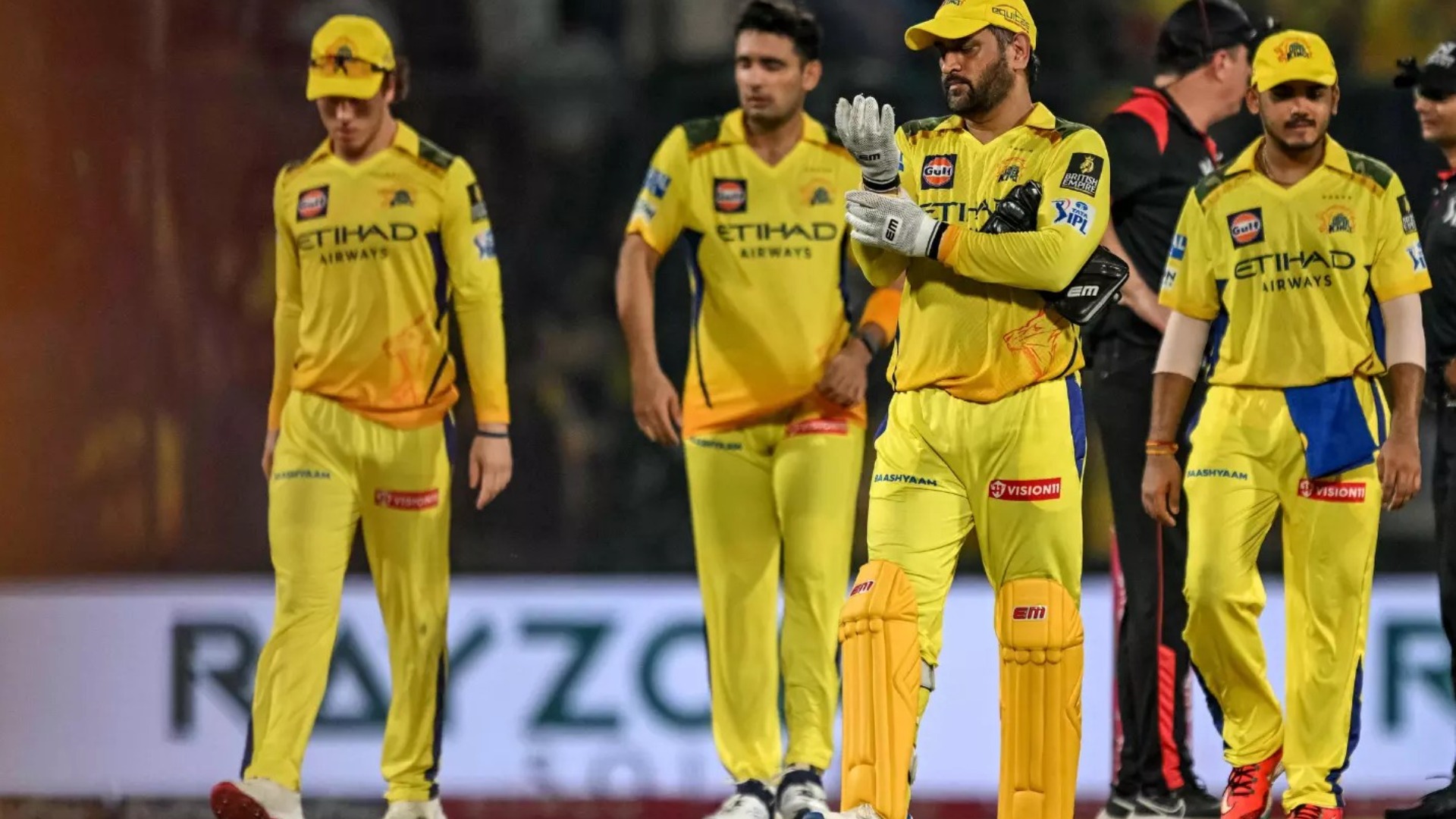
The Indian Premier League (IPL) continues to shape the global direction of cricket as more countries adopt franchise-based models inspired by its commercial success and competitive structure. What began as a domestic T20 tournament in India has now become a blueprint for cricket leagues worldwide, influencing how the sport is organized, marketed, and consumed.
Across continents, cricket boards are restructuring their domestic systems to mirror the IPL’s combination of entertainment, star power, and financial growth.
IPL Sets the Standard for Modern Franchise Cricket
The IPL has established itself as the benchmark for T20 franchise cricket due to its high-quality competition, global audience reach, and strong commercial ecosystem. Its format blends international stars with emerging domestic talent, creating a highly competitive and entertaining product.
Franchises operate with significant financial backing, allowing teams to invest in world-class coaching staff, analytics teams, and scouting networks. This professional structure has elevated the standard of franchise cricket globally.
The league’s success has also proven that cricket can thrive as a year-round entertainment industry, not just a seasonal sport.
Global Adoption of Franchise-Based Leagues
Inspired by the IPL model, several cricket boards have launched or expanded their own franchise competitions. Leagues such as the SA20 in South Africa, Major League Cricket (MLC) in the United States, The Hundred in England, and the Big Bash League in Australia have all incorporated franchise-style structures with varying adaptations.
These leagues share common features: player auctions or drafts, privately owned teams, city-based franchises, and strong emphasis on broadcast-friendly scheduling.
While each league has its own identity, the underlying influence of the IPL is clearly visible in their design.
Increased Private Investment in Cricket
One of the most significant impacts of the franchise model is the rise of private investment in cricket. Franchise ownership has attracted global investors, including business groups, sports companies, and entertainment brands.
This influx of capital has improved infrastructure, player salaries, and marketing reach. It has also created new economic opportunities within cricket ecosystems, from coaching and analytics to media production and fan engagement.
Private investment has helped transform cricket into a more commercially dynamic global sport.
Player Opportunities Expand Across Borders
The growth of franchise leagues has significantly increased opportunities for cricketers worldwide. Players now have the chance to compete in multiple leagues across different countries throughout the year.
This has allowed emerging talent from associate nations to gain exposure alongside established international stars. Many players who might not regularly feature in international cricket have built successful careers through franchise performances.
As a result, the global talent pool in cricket has become more diverse and competitive.
Impact on Domestic Cricket Structures
While franchise leagues have boosted global visibility, they have also impacted traditional domestic cricket systems. Some domestic tournaments now struggle to attract top players due to overlapping schedules with franchise competitions.
Cricket boards are increasingly working to integrate domestic formats with franchise leagues, ensuring that both systems support player development and national team goals.
This balancing act remains one of the biggest challenges in modern cricket administration.
Fan Engagement and Global Reach
The IPL model has revolutionized fan engagement in cricket. Franchise leagues now focus heavily on digital platforms, social media content, and interactive experiences to attract younger audiences.
Matches are designed to be entertainment-driven, with music, fan events, and broadcast innovations enhancing the viewing experience.
This approach has helped cricket expand beyond traditional markets, reaching new audiences in regions such as North America, the Middle East, and parts of Europe.
Rise of Data and Analytics in Franchise Cricket
Another major influence of the IPL model is the widespread use of data analytics in team strategy. Franchise teams now rely heavily on performance data to make decisions about player selection, match tactics, and opposition analysis.
This analytical approach has improved the competitiveness of leagues and reduced reliance on traditional scouting alone.
Players are also increasingly evaluated on detailed performance metrics rather than basic statistics.
Challenges of Franchise Expansion
Despite its success, the rapid expansion of franchise cricket has created challenges. The crowded global calendar leaves limited space for international series, raising concerns about the long-term balance of the sport.
There are also financial disparities between leagues, with the IPL remaining far ahead in terms of revenue and global influence.
Cricket administrators continue to debate how to maintain competitive balance while allowing franchise cricket to grow sustainably.
Outlook for Franchise Cricket
The IPL’s influence is expected to continue shaping the future of global cricket. As more countries adopt franchise models, the sport will likely become increasingly interconnected through shared players, investment, and broadcasting networks.
However, maintaining harmony between franchise leagues and international cricket will be essential for the sport’s long-term health.
Ultimately, the IPL has not just created a successful tournament—it has redefined the global structure of cricket, turning it into a franchise-driven sport with worldwide reach and growing commercial power.