
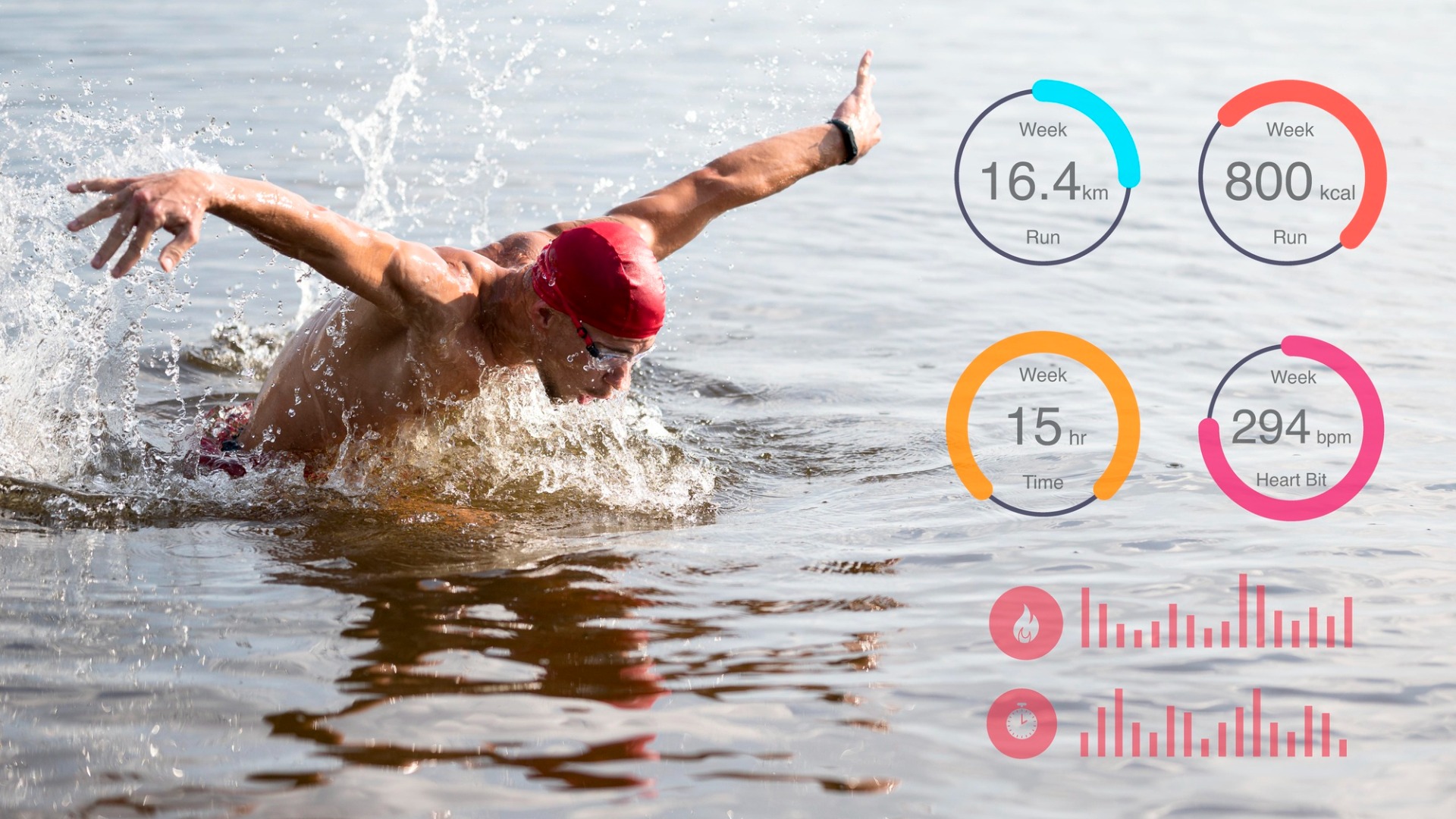
A Full-Body Workout with Low Impact
Swimming is widely recognized as one of the most effective full-body exercises, engaging nearly every major muscle group while placing minimal stress on the joints. Unlike many land-based sports, the buoyancy of water supports body weight, reducing impact on bones, ligaments, and tendons.
This makes swimming suitable for people of all ages, including beginners, athletes, and individuals recovering from injury. Regular swimming improves overall fitness without the harsh physical strain associated with high-impact activities.
Cardiovascular and Respiratory Benefits
Swimming significantly improves heart and lung function. The continuous movement and controlled breathing patterns strengthen the cardiovascular system, increasing endurance and circulation efficiency.
Over time, swimmers develop better oxygen control, improved lung capacity, and a stronger heart. This contributes to reduced risk of cardiovascular diseases and enhances overall stamina for daily activities.
Muscle Strength and Endurance
Swimming engages both upper and lower body muscles simultaneously. Strokes like freestyle, breaststroke, backstroke, and butterfly help build strength in the arms, shoulders, chest, back, core, and legs.
Because water provides natural resistance, every movement requires effort, leading to improved muscular endurance and tone without the need for heavy weights. This balanced muscle development helps improve posture and overall body stability.
Weight Management and Calorie Burn
Swimming is an effective activity for managing body weight and burning calories. The intensity of movement combined with resistance from water increases energy expenditure, making it a useful exercise for fat loss and fitness maintenance.
Different strokes and training intensities can influence calorie burn, with more demanding strokes and interval training providing higher energy output.
Mental Health and Stress Reduction
Swimming also provides strong mental health benefits. The rhythmic nature of strokes and breathing helps create a calming effect, reducing stress and anxiety levels. Many swimmers experience improved mood and mental clarity after regular sessions.
Being in water can also have a meditative effect, allowing individuals to disconnect from daily pressures and focus on controlled movement and breathing.
Improved Sleep and Relaxation
Regular physical activity like swimming contributes to better sleep quality. The combination of physical exertion and relaxation helps regulate sleep patterns and reduces insomnia in many individuals.
Swimming in the evening can promote relaxation, helping the body and mind unwind after a long day.
Joint Health and Injury Recovery
Swimming is often recommended by medical professionals for rehabilitation because of its low-impact nature. It allows individuals to stay active while recovering from injuries or managing chronic joint conditions such as arthritis.
The supportive environment of water reduces strain while still allowing muscles to strengthen and remain flexible.
Social and Lifestyle Benefits
Swimming can also be a social activity, whether through training groups, clubs, or recreational sessions. This encourages consistency, motivation, and community engagement.
It promotes a healthier lifestyle overall by combining fitness, relaxation, and enjoyment in a single activity.
A Long-Term Health Activity
Unlike many high-intensity sports that may become difficult with age, swimming can be continued throughout life. Its adaptability makes it one of the most sustainable forms of exercise for long-term physical and mental well-being.
With consistent practice, swimming supports a healthier heart, stronger muscles, improved mental clarity, and a more balanced lifestyle.