
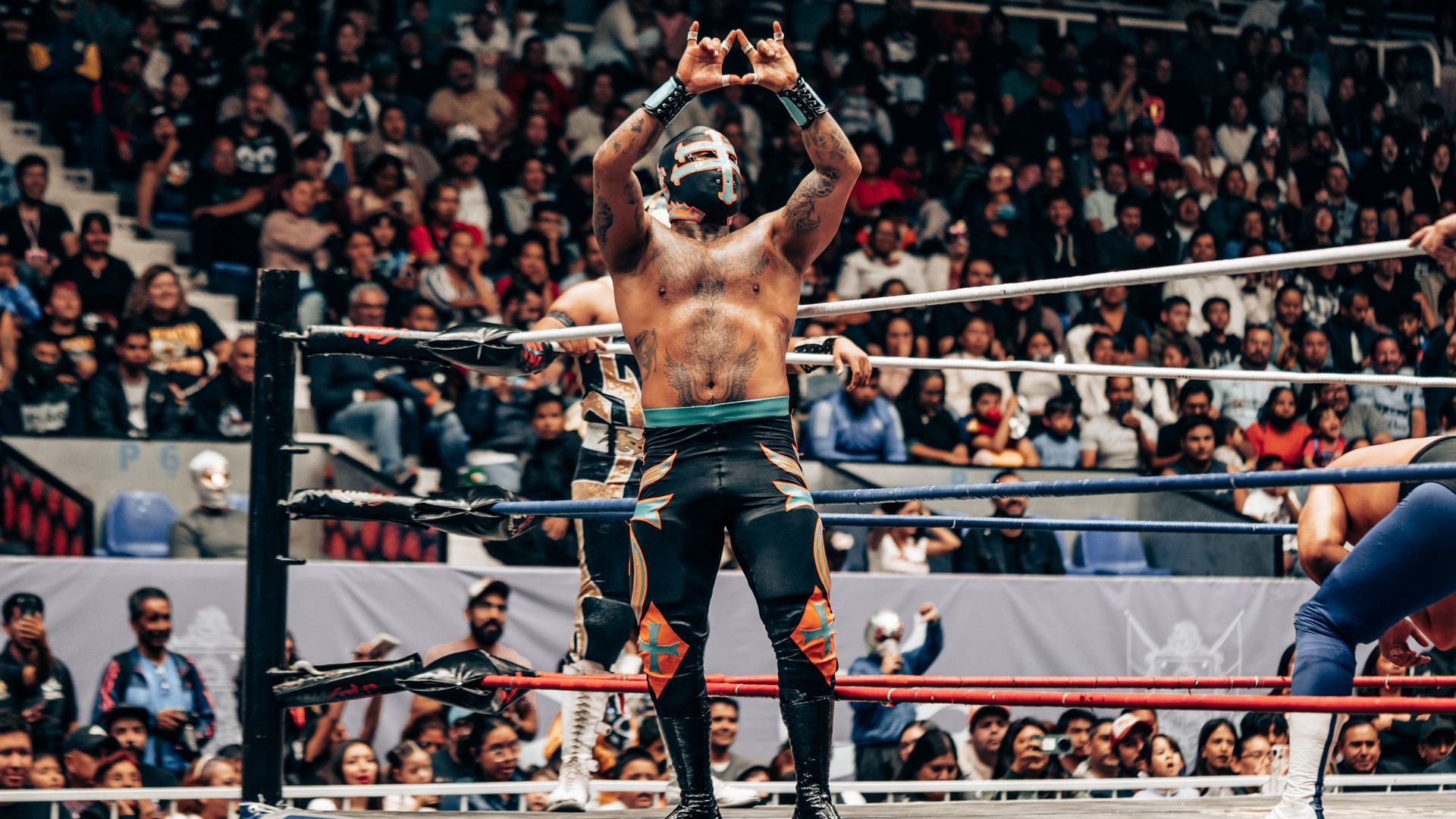
The Blend of Athleticism and Entertainment
Professional wrestling combines athletic competition with storytelling, creating a unique form of sports entertainment that requires exceptional physical ability, coordination, and performance skills. While the outcomes of matches are predetermined, every move inside the ring demands precise execution, extensive training, and trust between competitors to ensure both entertainment and safety.
Behind every wrestling match is careful planning that allows performers to deliver compelling action while minimizing the risk of injury.
Planning a Wrestling Match
Before entering the ring, wrestlers and producers discuss the overall structure of the match. This planning typically includes the opening sequence, key moments, major moves, dramatic turning points, and the planned finish.
Rather than memorizing every second, many wrestlers rely on an agreed framework that allows them to adapt naturally to the crowd's reaction and the pace of the match. Experienced performers often make adjustments during the contest to maintain excitement and respond to unexpected situations.
Training and Preparation
Professional wrestlers spend years developing the skills required to perform safely. Training includes strength and conditioning, cardiovascular fitness, technical wrestling, ring movement, falls, striking techniques, and performance psychology.
Wrestling schools also teach athletes how to communicate during matches, execute complex maneuvers, and protect both themselves and their opponents while performing physically demanding sequences.
Communication Inside the Ring
Although much of the action appears spontaneous, wrestlers communicate continuously during a match. Brief verbal cues, hand signals, and body positioning help coordinate upcoming moves and ensure both performers remain synchronized.
This communication allows wrestlers to adjust the match if timing changes, an opponent is injured, or the audience responds differently than expected. Maintaining constant awareness is essential for both safety and performance quality.
Performing High-Impact Moves Safely
Many of professional wrestling's signature moves involve lifts, throws, slams, and aerial maneuvers. These techniques are carefully practiced so that impact is distributed safely across the body whenever possible.
Proper timing, balance, and cooperation between both wrestlers are critical. Every performer is trained to fall correctly, absorb impact, and execute moves with precision to reduce the risk of serious injury.
The Role of Referees and Ringside Officials
Referees play an important role beyond enforcing match rules. They monitor the condition of the wrestlers, relay information between performers and production staff, and help manage unexpected situations during a match.
If a wrestler is injured, referees can quickly communicate with medical personnel and determine whether the match should continue safely.
Storytelling Through Wrestling
Professional wrestling places a strong emphasis on storytelling. Every match is designed to build emotion through momentum shifts, dramatic near falls, comeback sequences, and character development.
Wrestlers use facial expressions, body language, crowd interaction, and in-ring psychology to create memorable performances that connect with audiences. This combination of athletic skill and storytelling is one of the defining characteristics of professional wrestling.
Behind Every Match
A successful professional wrestling match is the result of extensive preparation, teamwork, and experience. From planning key moments before the event to making split-second adjustments inside the ring, wrestlers rely on years of training and mutual trust to deliver exciting performances.
While fans see the action unfold in front of them, every match reflects the combined efforts of wrestlers, referees, coaches, producers, and production teams working together to create a safe and engaging live event.