
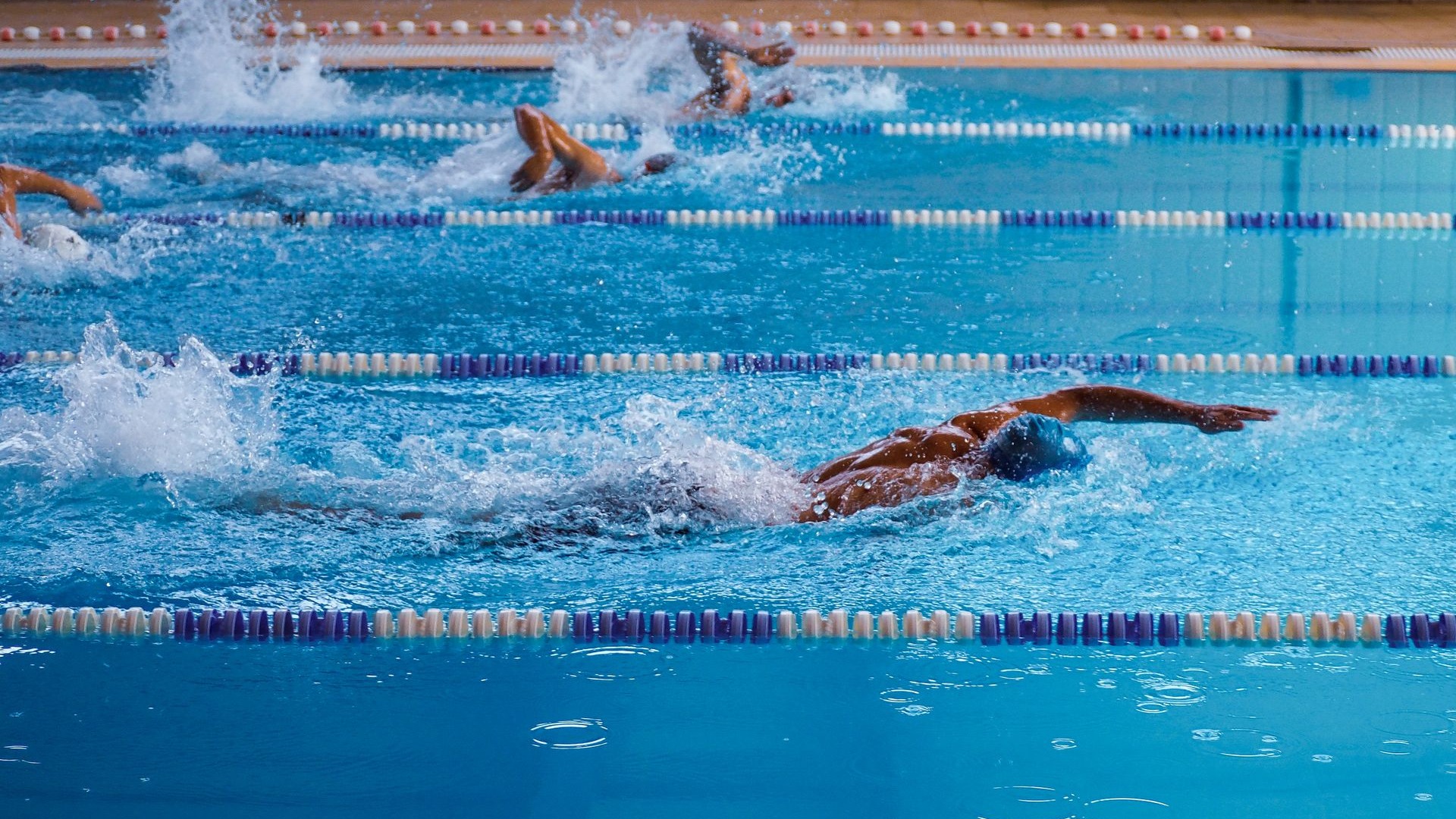
The Demands of Elite Competitive Swimming
Competing at the international level requires far more than natural talent. Professional swimmers follow highly structured training programs designed to build speed, endurance, strength, and technical precision. Whether preparing for the Olympic Games, World Championships, or continental events, athletes spend months refining every aspect of their performance to compete against the world's best.
Training schedules are carefully planned by coaches, sports scientists, and medical staff to ensure swimmers reach peak condition at the right time while reducing the risk of injury and overtraining.
Building Endurance Through Daily Pool Sessions
Swimming endurance is developed through consistent pool training that often includes multiple sessions each day. Athletes complete thousands of meters during each workout, combining long-distance swims with interval training and race-pace sets.
These sessions improve cardiovascular fitness, muscular endurance, and stroke efficiency while helping swimmers adapt to the physical demands of competitive racing.
Perfecting Stroke Technique
Technique is one of the most important factors in competitive swimming. Even minor improvements in body position, arm movement, breathing, or kick timing can reduce water resistance and improve race times.
Coaches regularly analyze stroke mechanics using underwater cameras and video playback. This allows swimmers to identify technical errors and make precise adjustments that enhance efficiency and speed.
Strength and Dryland Training
Pool training is complemented by dryland workouts that develop overall strength, stability, and explosive power. Strength training programs typically include exercises targeting the legs, core, shoulders, and back, which are essential for powerful starts, turns, and stroke propulsion.
Functional training, resistance exercises, medicine ball drills, and plyometric workouts help swimmers generate greater force while maintaining flexibility and balance.
Improving Starts and Turns
In competitive swimming, races are often decided by fractions of a second, making starts and turns critical components of training. Swimmers repeatedly practice diving techniques, underwater dolphin kicks, flip turns, and push-offs to maximize speed entering and exiting each lap.
Coaches measure reaction times and underwater performance to identify opportunities for improvement during every training cycle.
Nutrition and Hydration
Elite swimmers follow carefully planned nutrition programs to support intense daily training and recovery. Balanced meals rich in carbohydrates, lean protein, healthy fats, vitamins, and minerals provide the energy needed for demanding workouts.
Hydration is equally important, as long training sessions can result in significant fluid loss even while exercising in water. Proper nutrition and hydration help maintain performance levels and accelerate muscle recovery.
Recovery and Injury Prevention
Recovery is an essential part of every swimmer's training program. Stretching, mobility exercises, massage therapy, physiotherapy, and adequate sleep help athletes recover between sessions and reduce the risk of overuse injuries.
Coaches also monitor training loads to ensure swimmers maintain consistent progress without excessive physical stress.
Mental Preparation for International Competition
Success in elite swimming depends not only on physical ability but also on mental resilience. Professional swimmers prepare for high-pressure competitions through visualization, goal setting, and focus exercises that improve confidence and concentration.
Learning to manage expectations, remain composed under pressure, and stay focused on race execution is considered just as important as physical training.
Preparing for Peak Performance
As major competitions approach, training programs are adjusted to allow swimmers to reach peak condition. Coaches gradually reduce training volume while maintaining intensity, enabling athletes to recover fully before race day.
This carefully managed preparation helps swimmers arrive at international competitions physically refreshed, mentally focused, and ready to perform at their highest level against the world's top competitors.