
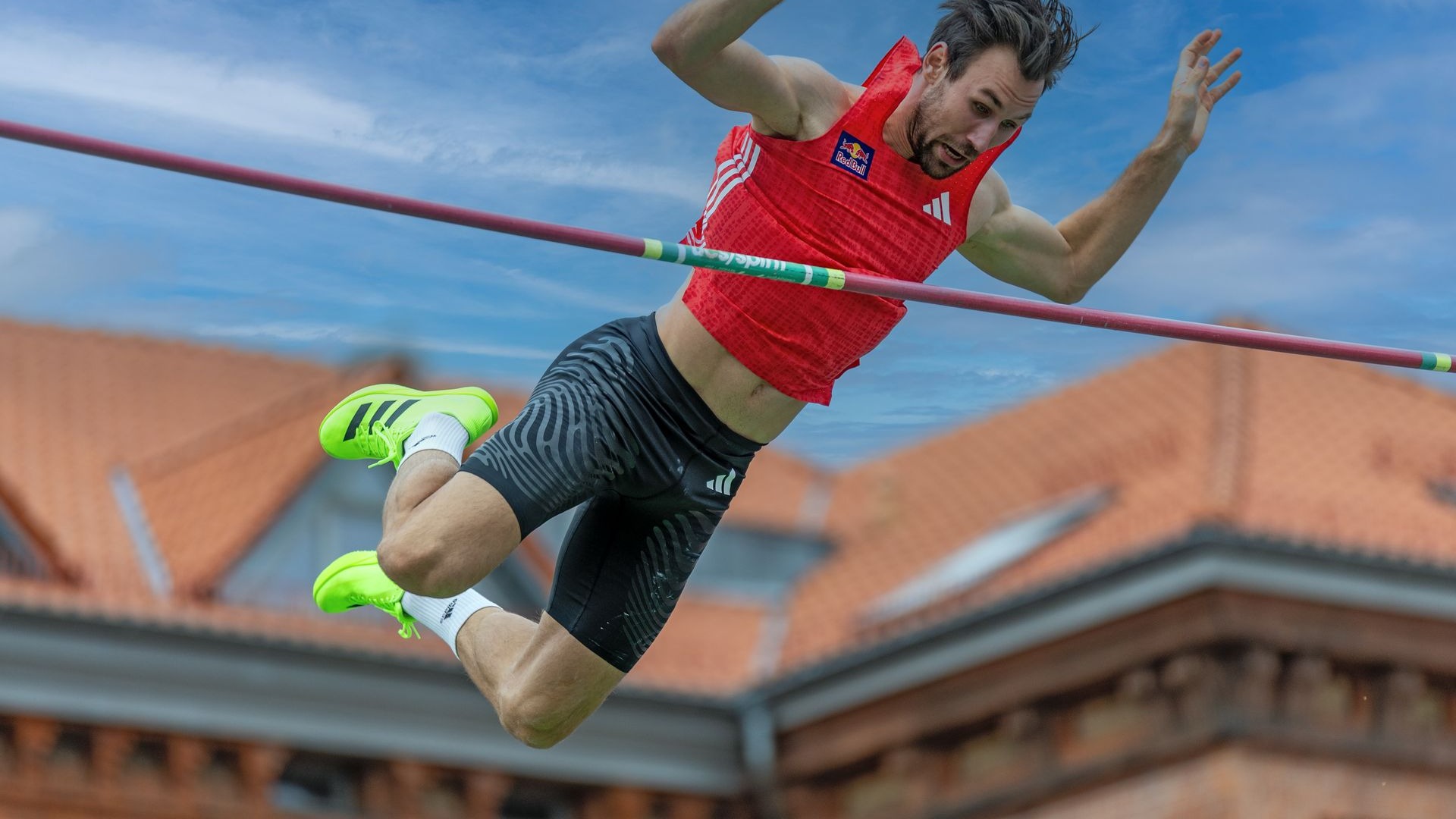
The Skill Behind Elite High Jumping
High jump is one of the most technical events in athletics, combining speed, strength, coordination, and precision. Success depends on far more than jumping ability alone. Elite athletes spend years refining every phase of the jump, from the approach run to the landing, with the goal of clearing the bar at maximum height while using the least amount of energy.
Modern high jump techniques are supported by detailed coaching, biomechanical analysis, and consistent training to improve efficiency and performance.
The Curved Approach Run
The approach run is the foundation of a successful high jump. Elite athletes use a controlled curved run that gradually increases speed before takeoff. The curve helps position the body correctly for the jump while creating the rotation needed to clear the bar.
Maintaining a consistent rhythm during the approach is essential. Even small changes in stride length or speed can affect takeoff position and reduce jumping height.
The Takeoff Phase
The takeoff is the most explosive part of the jump. Athletes plant one foot firmly on the ground while driving the opposite knee and both arms upward to generate maximum lift.
A powerful takeoff converts horizontal speed from the approach into vertical height. Elite jumpers focus on balance, timing, and body alignment to achieve an efficient upward movement without losing momentum.
The Fosbury Flop Technique
The Fosbury Flop is the standard technique used by nearly all elite high jumpers today. During this technique, athletes rotate their bodies and cross the bar with their back facing downward.
This method allows the body's center of mass to pass below the bar while the body itself clears it, making it one of the most efficient techniques in modern athletics. Since its introduction, the Fosbury Flop has transformed high jump competition and remains the dominant style at international events.
Bar Clearance Technique
Clearing the bar requires exceptional flexibility and body control. As athletes reach the highest point of the jump, they arch their backs while lifting their hips above the bar. They then quickly raise their legs to avoid making contact during descent.
Precise timing during this phase is crucial, as even slight contact with the bar can result in a failed attempt.
Landing Safely
Modern landing mats allow high jumpers to land safely on their backs and shoulders after clearing the bar. Proper landing technique helps reduce the risk of injury while allowing athletes to maintain confidence during maximum-height attempts.
Repeated practice enables jumpers to land comfortably even after highly explosive efforts.
Strength and Power Training
Elite high jumpers follow specialized strength and conditioning programs to improve explosive power. Exercises such as squats, lunges, plyometric jumps, Olympic lifts, and sprint drills help develop the leg strength needed for powerful takeoffs.
Core stability and balance training also play an important role in maintaining body control throughout the jump.
Technical Analysis and Coaching
High jump performance is continually refined through video analysis and biomechanical evaluation. Coaches study approach speed, takeoff angles, body position, and bar clearance to identify areas for improvement.
Small technical adjustments can produce significant gains, especially at the elite level where competitions are often decided by only a few centimeters.
Continuous Improvement at the Highest Level
Elite high jumpers combine natural athletic ability with disciplined technical training and physical preparation. Every phase of the jump is practiced repeatedly to achieve consistency under competition conditions.
As sports science and coaching methods continue to advance, high jump techniques are becoming even more refined, allowing athletes to challenge new heights and push the limits of human performance.