
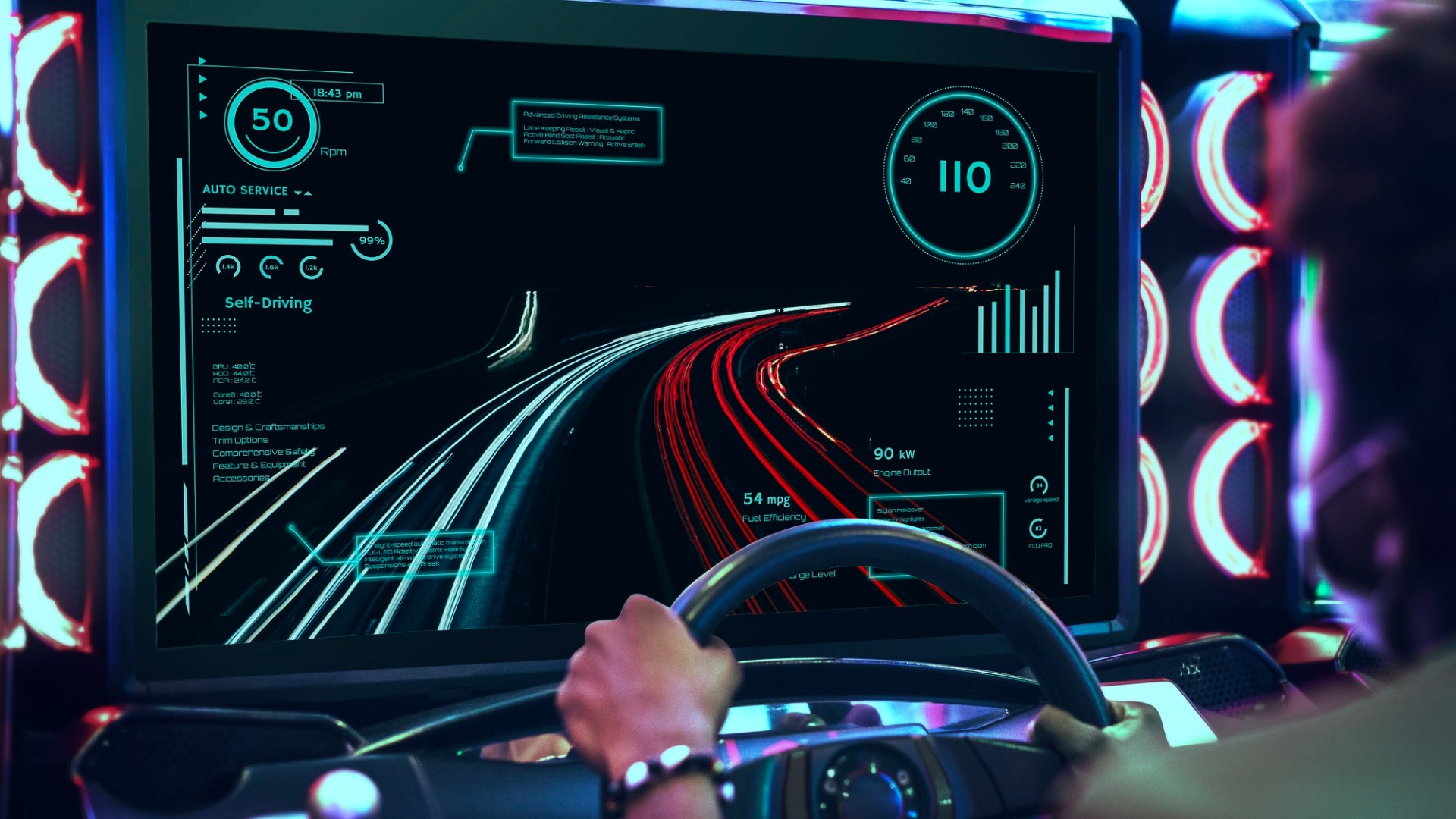
The Role of Data in Modern Formula 1
Formula 1 has evolved into one of the most data-driven sports in the world. Every car on the grid generates massive amounts of information during a race weekend, including speed, tire temperature, brake pressure, aerodynamic performance, fuel usage, and engine behavior. Teams rely on this data to make critical decisions that can directly influence race outcomes.
How Teams Collect and Process Race Data
Each Formula 1 car is equipped with hundreds of sensors that transmit real-time data back to the team garage and remote operations centers. This information is monitored continuously by engineers who analyze performance across every lap.
Data is collected not only during races but also in practice sessions and qualifying. Engineers compare this information with historical data from previous races to understand how the car performs under different track conditions, temperatures, and fuel loads.
Artificial Intelligence in Formula 1
Artificial intelligence plays an increasingly important role in Formula 1 strategy and development. AI systems are used to identify patterns in performance data, predict tire degradation, and simulate race scenarios.
Teams use machine learning models to forecast outcomes such as optimal pit stop windows, weather impact, and competitor strategy. These predictions help engineers make faster and more accurate decisions during high-pressure race situations.
Simulation Technology and Virtual Testing
Before cars ever hit the track, Formula 1 teams rely heavily on simulation technology. Advanced driving simulators allow engineers and drivers to test setups in a virtual environment that replicates real-world track conditions.
Simulations are used to evaluate aerodynamic changes, tire behavior, fuel consumption, and setup adjustments. This reduces the need for physical testing and allows teams to refine performance efficiently throughout the season.
Strategy Decisions Powered by Data
During race weekends, strategy teams use live data combined with predictive models to guide decisions. These include when to pit, which tire compounds to use, and how to respond to safety cars or weather changes.
Even small improvements in decision-making speed can have a significant impact on race results, making data analysis a crucial competitive advantage in modern Formula 1.
The Future of Data-Driven Racing
As technology continues to advance, Formula 1 is expected to become even more reliant on artificial intelligence and simulation systems. Teams are constantly improving their ability to process data faster and with greater accuracy, ensuring that performance gains are found not only on the track but also in the digital environment.