
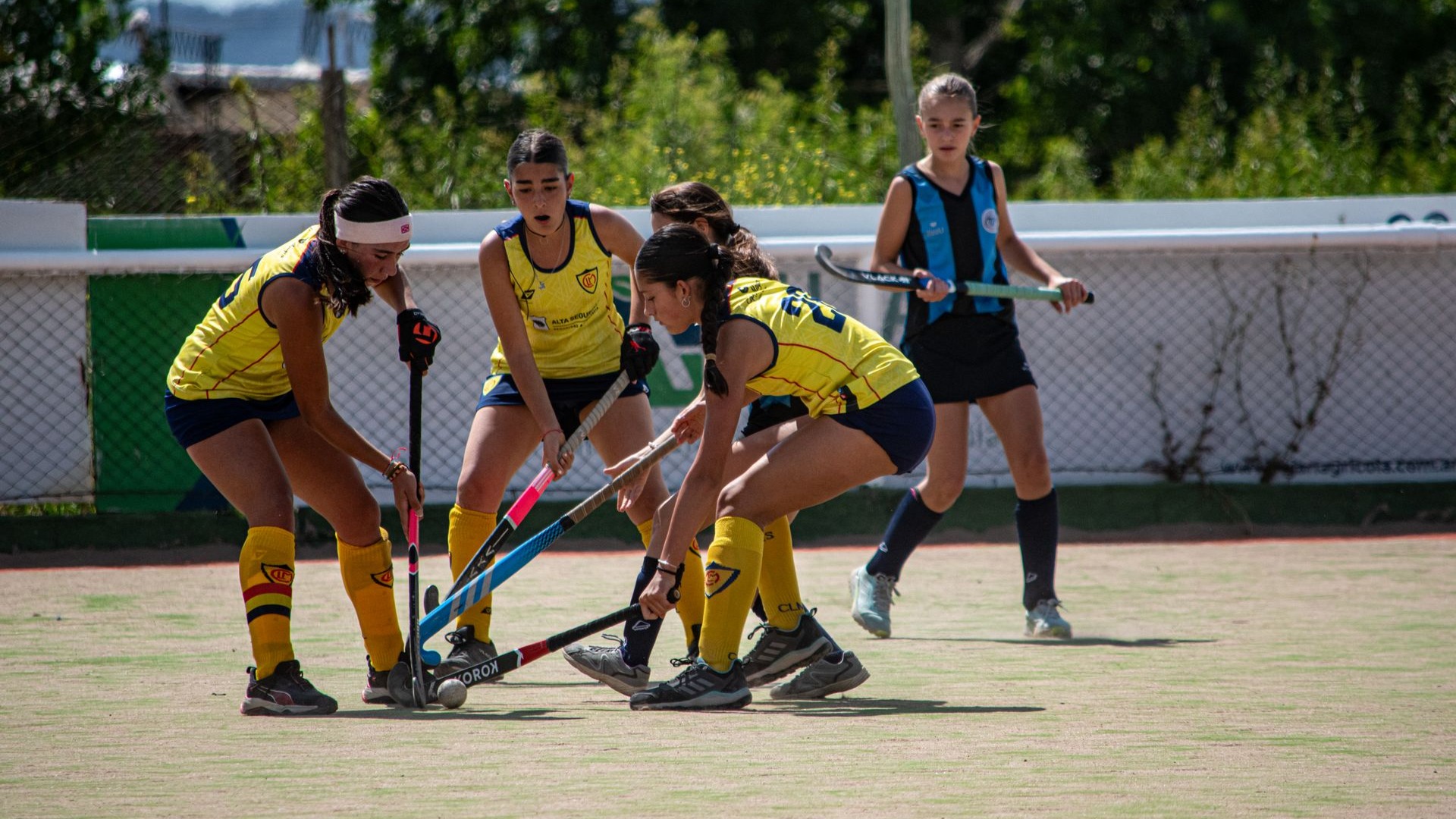
The Importance of Endurance in Hockey
Endurance is one of the most critical physical attributes in professional hockey, whether in field hockey or ice hockey. Matches involve repeated bursts of high-intensity skating or running, quick direction changes, and sustained pressure over long periods. Players must maintain speed, strength, and decision-making ability even in the final minutes of a game.
Unlike steady-state sports, hockey demands both aerobic and anaerobic endurance, making training highly specialized and sport-specific.
Aerobic Conditioning for Sustained Performance
Aerobic fitness forms the foundation of endurance training in hockey. It allows players to recover quickly between shifts, sprints, or high-intensity plays. Coaches typically use long-duration running, cycling, skating drills, and continuous movement exercises to build cardiovascular capacity.
A strong aerobic base helps athletes maintain consistent energy levels throughout an entire match, reducing fatigue-related errors and improving overall performance stability.
High-Intensity Interval Training (HIIT)
Hockey is a stop-and-start sport, which makes high-intensity interval training one of the most effective methods for developing game-specific endurance. HIIT sessions involve short bursts of maximum effort followed by brief recovery periods.
These workouts simulate real match conditions, where players sprint, defend, attack, and recover repeatedly. Over time, this type of training improves both speed endurance and recovery rate between intense efforts.
On-Ice and On-Field Endurance Drills
In ice hockey, endurance is developed through skating drills that replicate game situations, including repeated sprints, defensive transitions, and puck control under fatigue. Field hockey players use similar drills involving continuous running patterns, passing sequences, and positional play exercises.
These sport-specific drills help athletes adapt their bodies to real match demands while improving technical skills under physical stress.
Strength Training for Endurance Support
Muscular endurance plays a major role in maintaining performance throughout a hockey match. Strength training programs focus on lower-body power for skating or running, core stability for balance, and upper-body strength for stick handling and physical contact.
Rather than maximum lifting power, athletes often train with moderate weights and higher repetitions to improve fatigue resistance and sustained muscle performance.
Recovery and Energy Management
Endurance is not only built during training but also during recovery. Proper rest, hydration, and nutrition are essential for maintaining high energy levels across a long season.
Professional players use recovery techniques such as stretching, massage therapy, ice baths, and physiotherapy to reduce muscle fatigue and prevent overuse injuries.
Mental Endurance and Game Awareness
Hockey requires strong mental endurance as players must remain focused and make quick decisions under pressure. Fatigue can affect reaction time and tactical awareness, making mental conditioning an important part of training.
Visualization techniques, game simulation drills, and experience in high-pressure matches help players maintain concentration even during physically demanding situations.
Building Match-Ready Stamina
The goal of endurance training in professional hockey is to ensure players can perform at a high level from the first minute to the last. By combining aerobic conditioning, interval training, strength work, and recovery strategies, athletes develop the stamina needed to compete in fast-paced, physically demanding matches.
Consistent training allows players to sustain intensity, maintain technical precision, and remain effective throughout the entire game.