
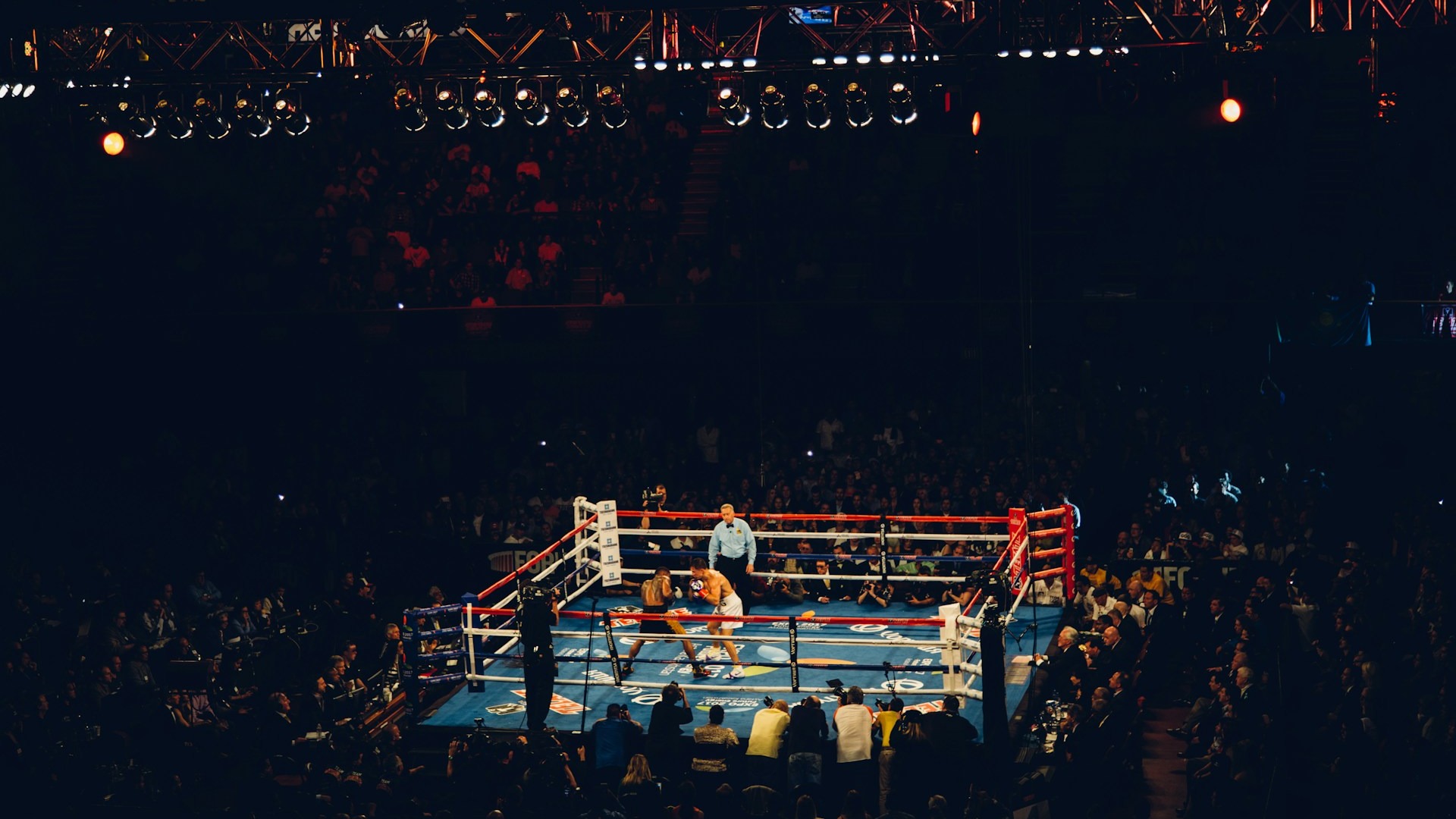
The Importance of Weight Classes in Boxing
Weight classes are a fundamental part of boxing, designed to ensure fair and competitive fights. By matching fighters with similar body weights, the sport reduces physical imbalance and emphasizes skill, speed, technique, and strategy rather than sheer size advantage.
Modern boxing is divided into multiple divisions, ranging from the lightest categories such as flyweight to the heavyweight division, where some of the most powerful punchers in the sport compete.
Flyweight and Light Flyweight Divisions
The flyweight division is among the lightest professional boxing categories. Fighters in this class are typically known for their speed, agility, and high-volume punching style. Matches in this division often feature fast-paced exchanges and intense movement.
Below flyweight is the light flyweight division, where competitors are even lighter and rely heavily on quick reflexes and technical precision. These divisions are especially popular in regions where smaller weight categories produce elite-level talent.
Bantamweight, Featherweight, and Lightweight Classes
As weight increases, the bantamweight, featherweight, and lightweight divisions introduce a balance of speed and power. Fighters in these categories begin to demonstrate stronger punching ability while still maintaining fast footwork and sharp defensive skills.
The lightweight division is particularly significant in boxing history, producing many legendary champions and highly competitive matchups. At this level, fights often combine technical boxing with knockout power, making it one of the most exciting divisions to watch.
Welterweight and Middleweight Divisions
The welterweight division is widely regarded as one of the most competitive weight classes in boxing. Fighters in this category possess a strong mix of speed, power, and endurance, often leading to highly tactical and physically demanding bouts.
Above welterweight is the middleweight division, where power becomes increasingly important without completely sacrificing mobility. Middleweight fights often feature strong punchers capable of ending a fight with a single clean shot, making this division highly unpredictable and entertaining.
Light Heavyweight Division
The light heavyweight division represents a shift toward greater punching power while still retaining athletic movement. Fighters in this category are known for their strength, durability, and ability to deliver decisive knockouts.
Matches in this division often showcase a blend of technical boxing and heavy striking, with fewer rounds going the distance compared to lighter weight classes.
Heavyweight Division: The Pinnacle of Power
The heavyweight division is the most prestigious and widely recognized category in boxing. There is no upper weight limit, meaning fighters can vary significantly in size and power. Heavyweights are known for their knockout ability, where a single punch can change the outcome of a fight instantly.
This division has produced some of the most famous names in boxing history and continues to attract global attention due to its dramatic and high-stakes nature.
Why Weight Classes Matter in Boxing
Weight classes ensure fairness, safety, and competitive balance in boxing. Without them, larger fighters would have a significant advantage over smaller opponents, reducing the importance of skill and technique.
By dividing fighters into structured categories, boxing allows athletes to compete on equal terms while showcasing their abilities within their natural physical limits.